歴
JAPAN · HISTORY
Three eras, and the country you are about to visit.
Japan does not unfold in a straight line. It is a succession of eras, some of them founding moments, others simply quiet. We tell only those that truly shaped the country you are about to visit.
平
Heian
794 · 1185
The court of Kyoto
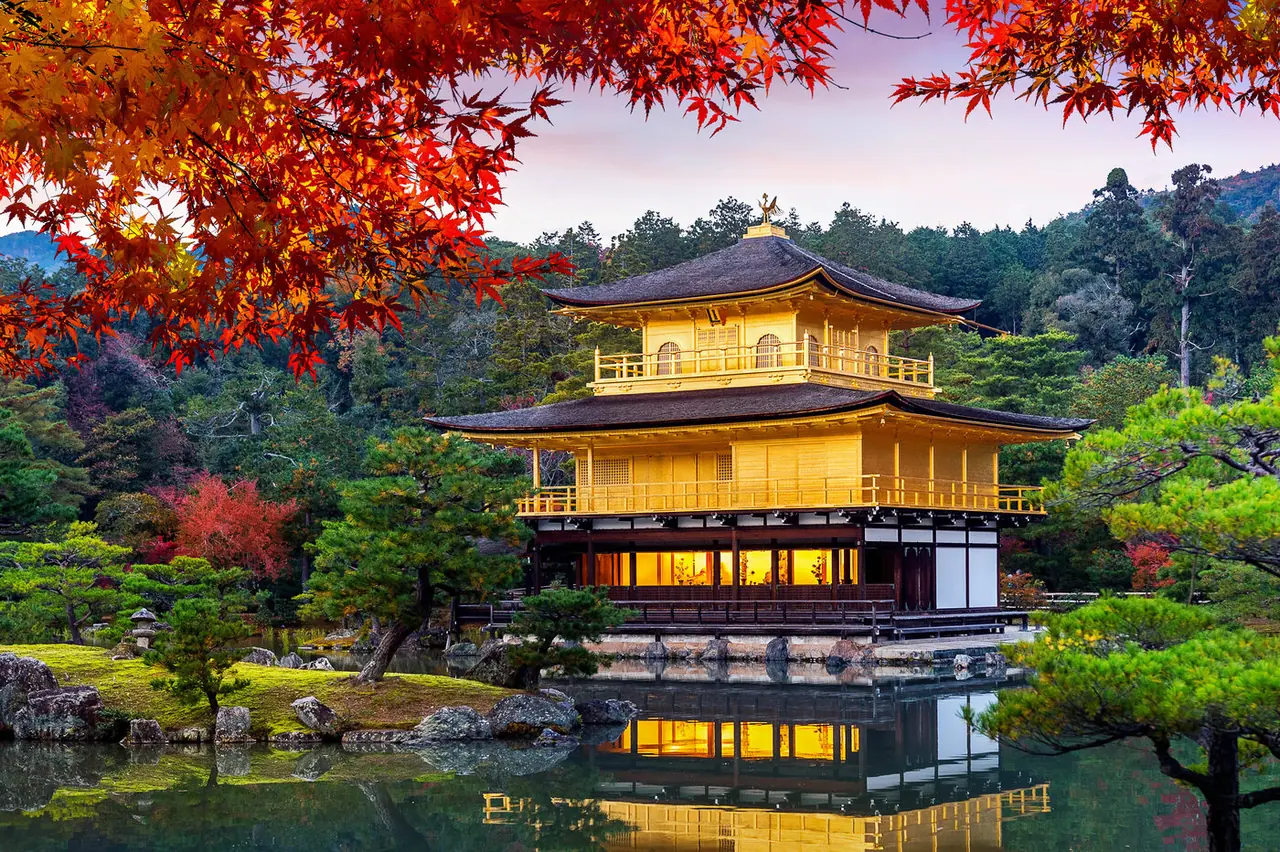
The capital moves to Kyoto. For four centuries, a refined aristocracy invents a great deal of Japanese aesthetics: court literature, the cult of the season, a sense of beauty that has never really left the country.
江
Edo
1603 · 1868
The Tokugawa peace
Two hundred and fifty years of peace imposed by the Tokugawa shoguns, a country closed in on itself, and the rise of an urban, merchant culture: the woodblock print, kabuki theatre, and the great highways such as the Nakasendo, still walked today.
明
Meiji
1868 · 1912
The opening
The country is forced open to Western trade, then modernises at an unprecedented pace: industry, army, Western institutions, all while keeping the emperor as its central figure.
FORTHCOMING
The origins, up to the seventh centuryNara and the arrival of BuddhismKamakura, the first shogunsMuromachi, the age of warsWar and reconstructionContemporary Japan